Hugo Schmitz · 2 September 2026
The United Kingdom has announced several updates to its trade policies following international negotiations. These changes aim to strengthen global trade relations while supporting domestic industries. Farmers nationwide are assessing the potential effects on their operations and long-term viability.
Recent Trade Agreements and Tariff Adjustments
In recent months the government has finalised new deals with Australia, New Zealand and CPTPP members. The agreements reduce tariffs on key agricultural imports including beef, lamb and dairy products. Officials highlight expanded export opportunities for British produce in growing markets. Impact assessments from the Department for International Trade project modest gains for consumers through lower prices. National Farmers Union representatives note that cheaper imports could pressure domestic producers on cost competitiveness. Additional provisions include phased tariff reductions over several years and technical support for exporters. Rural businesses are now evaluating supply chain adjustments to maintain margins.
Government data indicates that UK agricultural exports reached £23 billion last year, with potential growth in Asia-Pacific regions. Farmers in livestock sectors express concern over increased competition from larger-scale overseas operations. Policy documents emphasise sustainability standards that imported goods must meet. Industry groups call for clearer labelling to help consumers distinguish British produce.
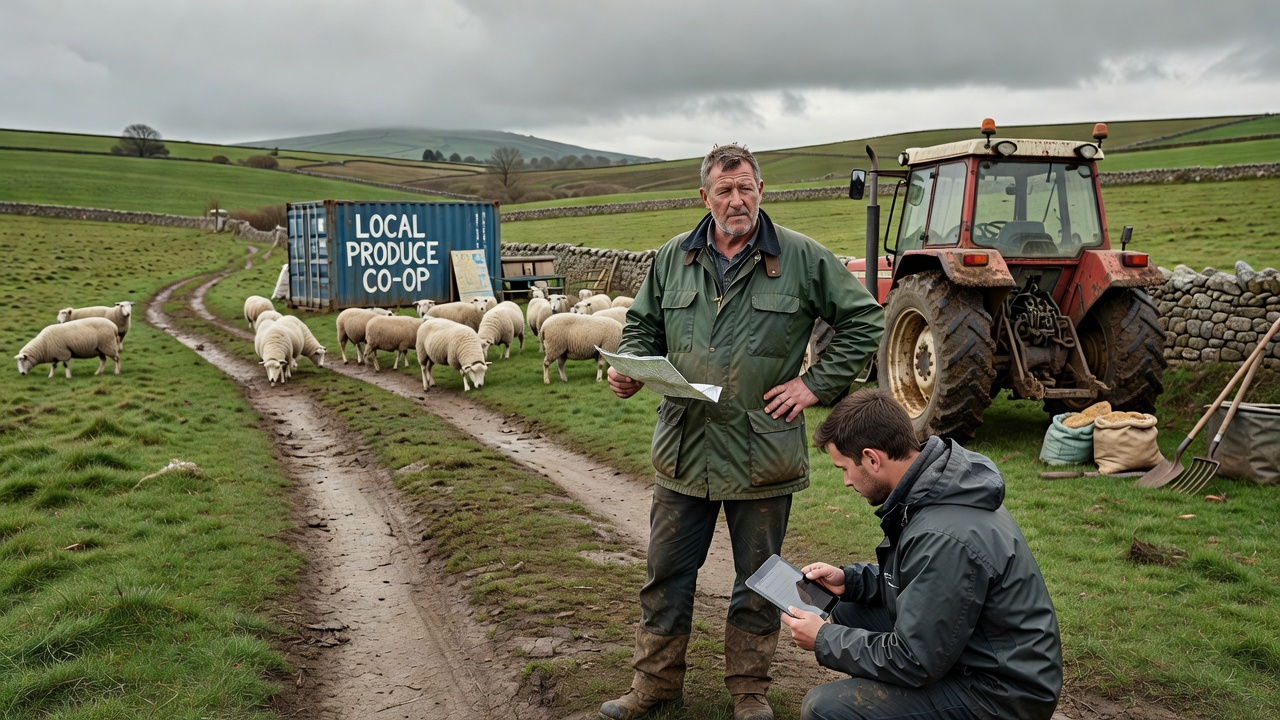
Impacts on UK Agricultural Sector and Rural Economy
Market analysts forecast short-term price volatility for red meat and dairy as new supply chains establish. Smaller farms may face greater challenges adapting to volume-based competition. The Department for Environment, Food and Rural Affairs has introduced targeted grants for productivity improvements and environmental schemes. These measures aim to offset import pressures while encouraging innovation in farming practices. Regional reports show varying impacts, with upland livestock areas most exposed to tariff changes. Export-focused horticulture businesses anticipate new opportunities in emerging markets. Overall employment in agriculture remains stable, though recruitment difficulties persist in some areas. Continued monitoring by trade bodies will track price trends and farm incomes over the coming quarters. Policymakers stress the need for balanced trade that delivers benefits across the supply chain.