Zara Klein · 2 September 2026
The UK government has announced updates to its trade policies aimed at expanding international partnerships while supporting domestic agriculture. These changes come as part of ongoing efforts to adapt to post-Brexit realities and global market shifts, with particular focus on tariff adjustments for agricultural goods.
Key Elements of the New Trade Policies
One major update involves the reduction of tariffs on imported agricultural products from key trading partners. This includes agreements that lower duties on beef, lamb, and dairy products from countries like Australia and New Zealand. Officials state that these measures will enhance food security and provide consumers with more choices at competitive prices. However, the policies also include provisions for increased exports of UK-produced goods such as whisky and processed foods to these markets. Another aspect is the emphasis on sustainable trade practices, requiring imported goods to meet certain environmental standards similar to those in the UK. This is intended to level the playing field for British farmers who adhere to strict regulations on animal welfare and environmental protection. Recent data indicates a projected 15 percent rise in certain import volumes over the next year.
Consequences for British Farmers
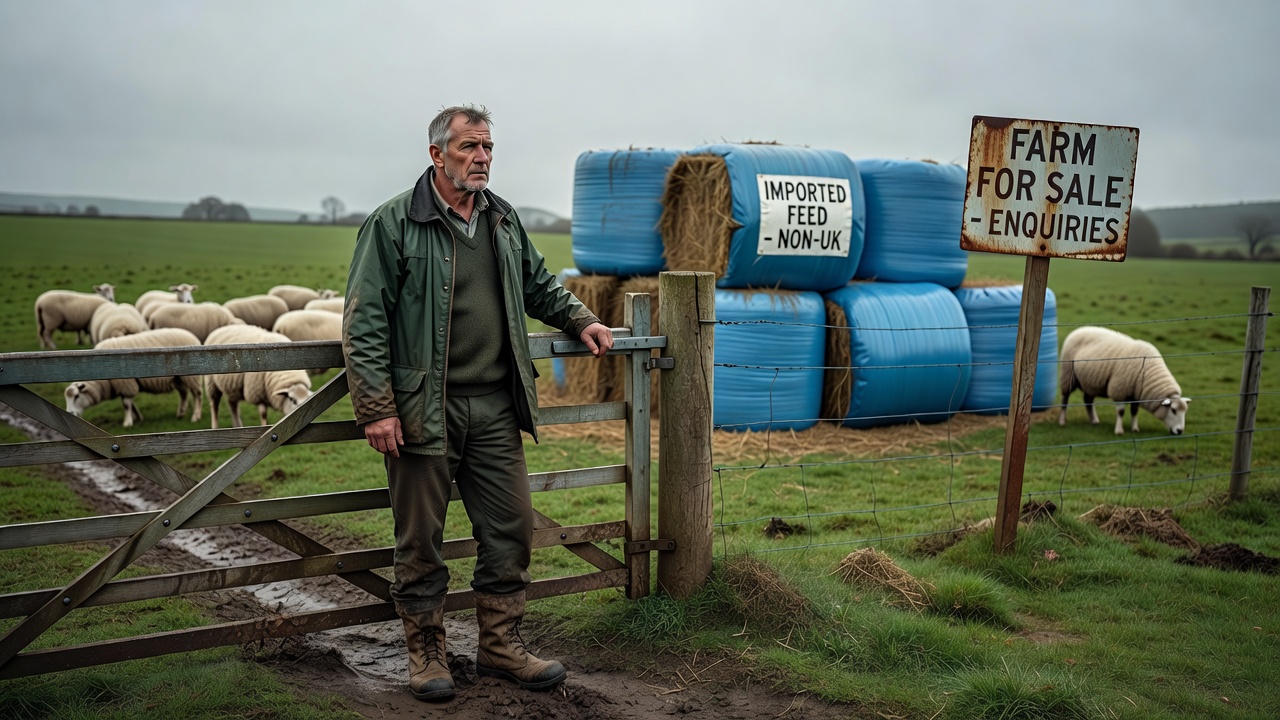
Farmers in the UK are expressing mixed reactions to these policy updates. Many livestock producers fear that the influx of cheaper imports will drive down market prices for their produce, potentially threatening the viability of smaller family-run farms. For instance, sheep farmers in Wales and Scotland have reported concerns over increased competition from Australian lamb, which benefits from lower production costs. On the positive side, arable farmers and those in the horticulture sector may see opportunities from expanded export markets. The government has pledged support through subsidies and grants to help farmers adapt, including investments in technology to improve efficiency. Industry experts suggest that while short-term challenges exist, long-term benefits could arise from diversified trade relationships. Data from recent months shows a slight decline in farm incomes in certain sectors, prompting calls for further policy adjustments to mitigate negative impacts. Overall, the sector faces a period of transition that requires careful monitoring and targeted assistance.