Zara Klein · 2 September 2026
The United Kingdom has implemented several updates to its trade policies following the departure from the European Union. These changes include new bilateral agreements designed to facilitate international commerce in goods and services. Agricultural stakeholders are particularly attentive to provisions affecting food imports and exports.
Effects of Import Tariff Reductions
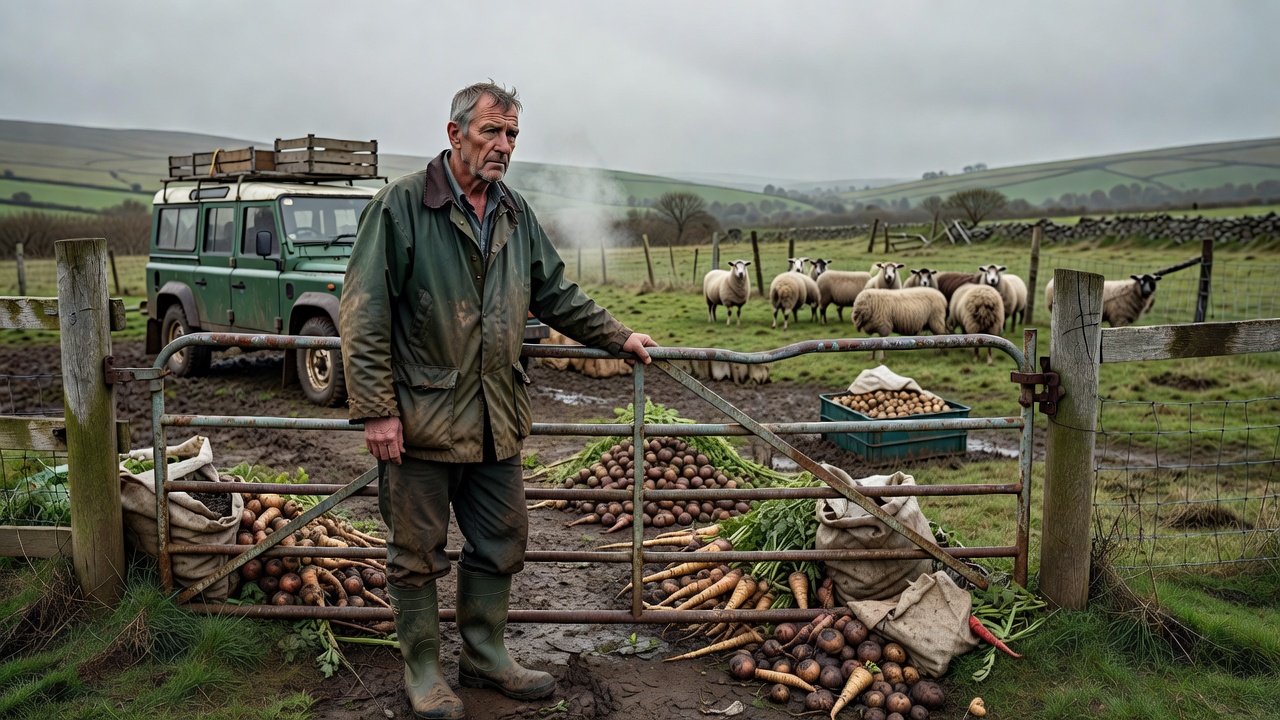
Under the new frameworks, tariffs on certain agricultural products have been lowered, allowing greater volumes of overseas produce to enter the UK market. Sheep farmers in Wales report a 15% drop in lamb prices over the past quarter. This shift follows agreements with Australia and New Zealand, where production costs are notably lower due to larger scales of operation. Industry representatives argue that without protective measures, smaller UK farms may struggle to compete on price alone. Government officials maintain that these policies will benefit consumers through reduced food costs and encourage efficiency among producers.
Additional data from the Department for Environment, Food and Rural Affairs indicates that beef imports have risen by 22% since the policy implementation. Farmers' unions have called for subsidies to offset potential losses, emphasizing the need to preserve rural economies dependent on livestock rearing. Many farmers are considering diversifying their operations to include non-subsidized crops or agritourism ventures as alternative income sources. Supply chain analysts note rising feed costs compound these pressures on margins.
Long-term Prospects for UK Agriculture
Looking ahead, experts suggest that adaptation strategies such as investing in technology and focusing on premium, traceable products could help mitigate adverse effects. Export opportunities to new markets are also highlighted as a counterbalance. However, the transition period poses risks, particularly for family-run operations with limited resources. Monitoring bodies are tracking market trends closely to assess ongoing impacts and recommend adjustments to trade terms where necessary. Overall, the balance between global trade integration and domestic agricultural support remains a key policy challenge. Continued dialogue between policymakers and farming communities is essential to ensure sustainable outcomes for all parties involved in the food supply chain.
Recent surveys conducted by agricultural associations reveal that over 60% of respondents feel uncertain about their future viability under current trade conditions. This sentiment underscores the importance of targeted support programs to maintain food security and environmental standards within the UK. Policymakers continue reviewing feedback to refine implementation timelines.