
Tina Foster · 18 November 2026
Parliamentary Budget Cycles Shape Cultural Restitution Efforts Alongside Digital Protection Rollouts
Parliamentary budget cycles determine the pace and scope of both cultural restitution programs and digital protection initiatives across multiple jurisdictions, with funding allocations released in annual or multi-year phases that align legislative priorities to available resources. Governments coordinate these timelines through treasury reviews and committee oversight, which means restitution claims for historical artifacts and upgrades to data security frameworks often advance or stall together based on the same fiscal windows.
Budget Cycles Set the Timeline for Restitution Claims
Restitution projects rely on dedicated line items within heritage budgets that surface during spending reviews, and observers note that claims processed in one cycle frequently carry over when funds fall short of demand. Data from national archives shows that object returns to originating communities accelerate after mid-term budget adjustments, while delays occur when economic forecasts tighten allocations for museum operations and legal reviews. Researchers tracking these patterns find that parliamentary committees allocate resources for provenance research and transport logistics during autumn statements, creating predictable windows for negotiations between institutions and claimant nations.
Take one case in which experts coordinated teh return of Benin bronzes through phased payments tied to a three-year spending plan, and similar arrangements appear in records from other European parliaments where annual reviews dictate the number of items cleared for transfer each fiscal period. Those who've studied restitution timelines know that budget cycles also influence staffing levels at cultural agencies, since conservators and legal advisors are often hired on contracts that match the length of approved funding tranches.
Digital Protection Measures Advance in Parallel
Digital protection rollouts follow the same parliamentary rhythm because cybersecurity and data preservation mandates receive funding through the same treasury processes that support heritage work. Agencies responsible for safeguarding digital cultural records must submit proposals during budget preparation stages, and approvals determine whether new encryption standards or archive migration projects begin in the following quarter. Evidence from government reports indicates that infrastructure grants for secure storage facilities often bundle requirements for both physical artifacts and their digital surrogates, creating overlap in procurement and compliance deadlines.
November 2026 Marks a Key Alignment Point
In November 2026 several parliaments are scheduled to release supplementary estimates that address both outstanding restitution commitments and pending digital security upgrades, according to published legislative calendars. Canadian Heritage documents outline how federal allocations for Indigenous artifact returns coincide with investments in protected digital repositories, while EU member states coordinate similar packages through their multi-annual financial framework reviews. Observers note that this timing allows agencies to publish joint progress reports that cover physical returns and the deployment of new access platforms for digitized collections.
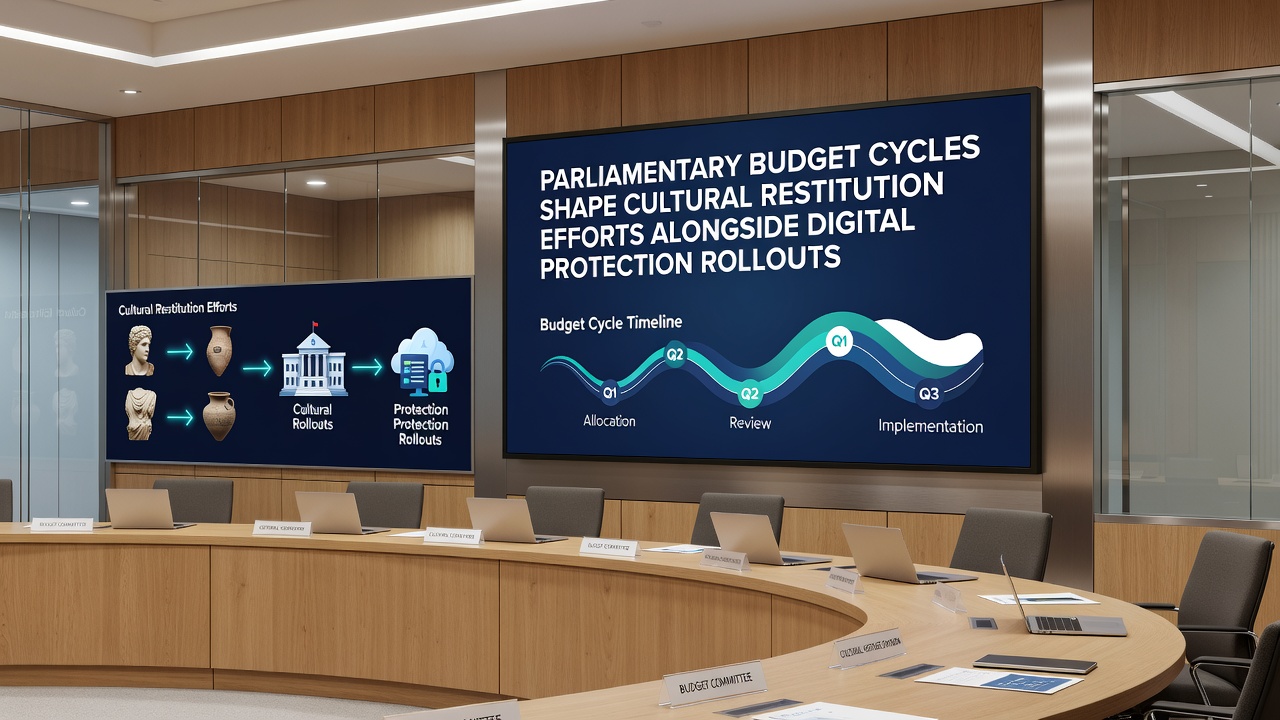
Intersections Between Restitution and Digital Safeguards
Funding decisions create direct links between the two areas because digital records often accompany physical objects during restitution, requiring secure transfer protocols and long-term preservation agreements. Parliamentary oversight committees examine both categories together when they assess value for money, and this combined scrutiny means that delays in one domain can shift resources away from the other. Studies from research institutions reveal that integrated budgets for provenance databases and digital rights management tools have become standard practice, since claimant communities request both the artifact and verifiable digital copies that document its history.
What's interesting is how budget language now includes clauses that tie digital protection standards to restitution eligibility, ensuring that returned items carry metadata protected under updated data regulations. Those who've examined recent spending bills find references to encryption requirements alongside provisions for community access portals, showing that legislators treat the two as interdependent rather than separate policy streams.
Regional Examples Illustrate Shared Pressures
Australian government reports detail how budget cycles for cultural institutions incorporate digital preservation targets that must be met before additional restitution funds are released, and similar conditions appear in documentation from other Commonwealth nations. European Commission updates on cultural policy describe how structural funds support both artifact repatriation logistics and the rollout of cross-border digital heritage networks, with disbursement tied to compliance milestones. These patterns demonstrate that parliamentary procedures increasingly require agencies to demonstrate progress on digital safeguards before unlocking further resources for physical returns.
Conclusion
Parliamentary budget cycles continue to determine the sequencing and scope of cultural restitution alongside digital protection measures, with funding decisions made during annual reviews shaping outcomes for both domains. Data from multiple national sources shows that alignment of these efforts produces measurable results in object transfers and secure record-keeping systems, while misaligned timelines create bottlenecks that affect institutions and claimant groups. As November 2026 approaches, agencies across jurisdictions prepare submissions that address the combined requirements, ensuring that future allocations reflect the interconnected nature of physical heritage and its digital counterparts.