Hugo Schmitz · 23 September 2026
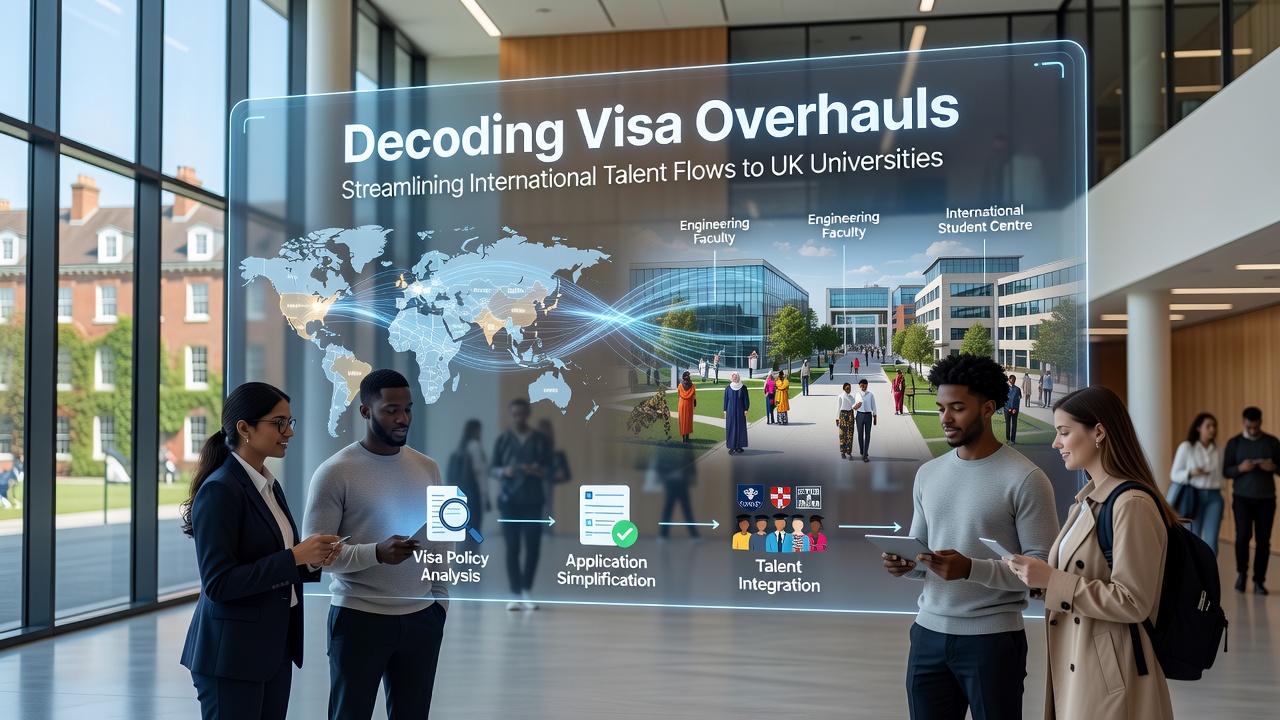
Decoding Visa Overhauls and Their Role in Streamlining International Talent Flows to UK Universities
The United Kingdom introduced its points-based immigration system in 2021 following the end of free movement with the European Union, and this framework has undergone several targeted adjustments since then that affect how universities recruit students and research staff from abroad. Data from official statistics show that international student numbers reached over 700,000 in the 2023-24 academic year while sponsored skilled worker visas for academic roles also increased in key disciplines such as engineering and life sciences. These reforms replaced older tiered categories with a single system that assigns points for qualifications, salary thresholds, and English language proficiency, while creating dedicated routes for researchers and students that aim to reduce processing times and paperwork.
Key Adjustments to Student and Graduate Routes
Student visa rules tightened in early 2024 when the government removed the right for most taught postgraduate students to bring dependents, yet the Graduate Route remained available allowing two years of post-study work for bachelor's and master's graduates and three years for doctoral students. Universities responded by expanding support services for applicants who now navigate the new sponsorship requirements through the Student sponsor licence system. Research from the Higher Education Statistics Agency indicates that applications from countries such as India, Nigeria, and China continued to dominate inflows even after the dependent restriction, although overall visa grant rates for students dipped slightly in the first half of 2025.
Skilled Worker Visa Changes for Academic and Research Roles
The Skilled Worker visa replaced the Tier 2 route and lowered the general salary threshold to £38,700 in April 2024, with an exemption that keeps the previous £30,960 level for roles on the immigration salary list including many university lecturer and researcher positions. Institutions can now sponsor overseas academics more quickly through the streamlined certificate of sponsorship process, and the Global Talent visa offers an alternative for individuals with exceptional promise in science, engineering, humanities, and medicine without requiring a job offer. Government figures reveal that grants under the Global Talent route rose by 15 percent between 2023 and 2025, supporting university departments that rely on international expertise for funded research projects.

Effects on University Recruitment and Talent Pipelines
Universities UK data shows that sponsored visa applications from higher education providers accounted for a growing share of total skilled worker entries after the 2024 salary adjustments, particularly in STEM subjects where domestic recruitment pipelines remain limited. The new system also introduced faster endorsement options for researchers through UK Research and Innovation, cutting approval times from several weeks to as little as one week in eligible cases. Observers note that these provisions have helped institutions maintain research output in fields such as artificial intelligence and climate science while competing with recruitment drives in Canada and Australia that similarly target international academics.
Processing improvements at the Home Office, including digital application portals and expanded priority services, have shortened average decision times for both student and skilled worker visas to under three weeks for straightforward cases. This matters for universities because September 2026 marks the start of the next major recruitment cycle, and early indicators suggest continued demand from overseas applicants despite higher tuition fees and cost-of-living pressures. Institutions have adapted by offering targeted scholarship packages and pre-arrival visa workshops that address common refusal reasons such as incomplete financial evidence or unclear study intentions.
Data Trends and Geographic Shifts
Official Home Office statistics combined with reports from the OECD Education at a Glance series indicate that while European Union student numbers have not returned to pre-2021 levels, inflows from South Asia and parts of Africa have offset the decline. The points-based framework awards additional points for PhD qualifications and shortage occupations, which universities have used to attract postdoctoral researchers in priority areas. Yet some departments report ongoing difficulties when salary thresholds rise again in future years, prompting them to explore joint appointments with overseas partners or remote collaboration models that reduce the need for full relocation.
Conclusion
Visa policy adjustments since the introduction of the points-based system have reshaped how UK universities source international students and staff, with faster processing, dedicated researcher routes, and salary exemptions forming the main tools for maintaining talent inflows. Government data and sector reports document both the opportunities created by these changes and the administrative adjustments required from institutions. As September 2026 approaches, universities continue to monitor application volumes and refine their sponsorship practices to align with evolving thresholds and endorsement requirements.