Tina Foster · 4 November 2026
Britain's Infrastructure Initiatives Align with Efforts to Streamline Healthcare Access and Cultural Preservation Projects
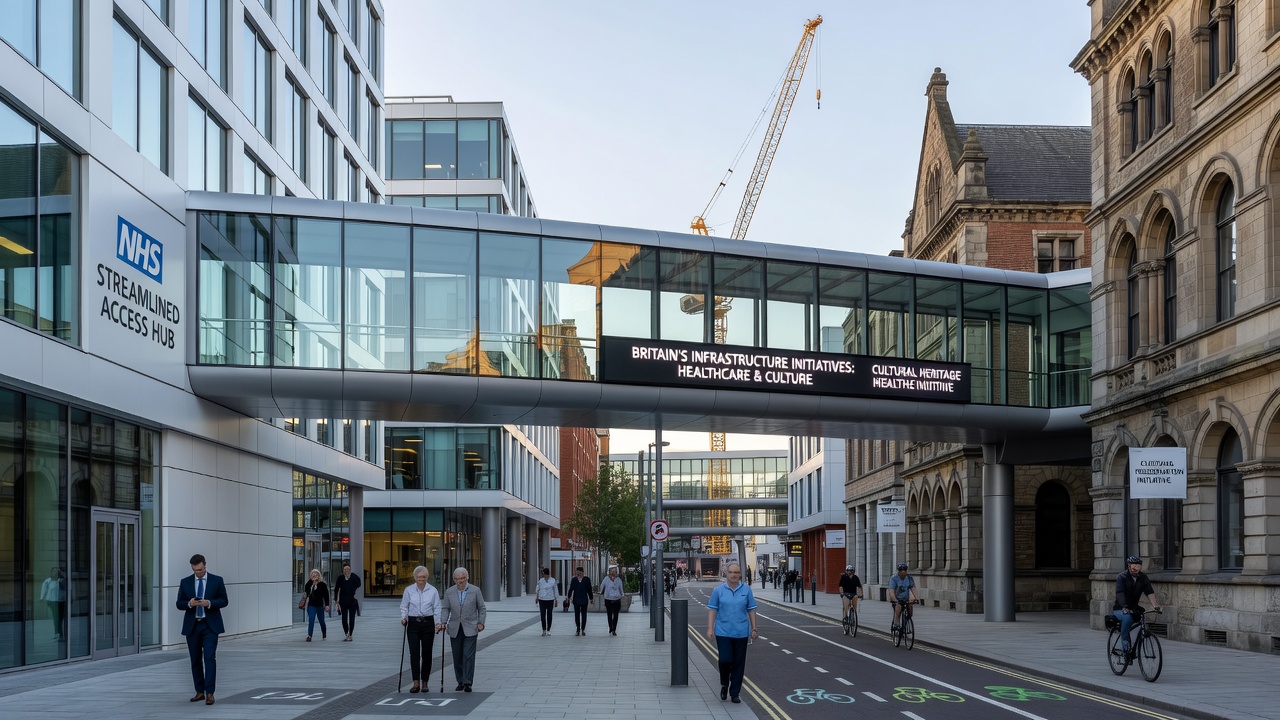
Data from national planning records shows Britain's current infrastructure programs connect directly to healthcare delivery upgrades and heritage site protections through coordinated transport and digital networks. Officials have aligned major rail expansions with hospital access routes while routing fiber optic cables around protected archaeological zones. These alignments appear in project blueprints released during 2025 and continue into scheduled phases set for completion by November 2026.
Transport Networks Supporting Healthcare Reach
High-speed rail extensions now include dedicated station stops near regional medical centers, allowing faster patient transfers between rural clinics and specialist hospitals in major cities. Transport Department reports indicate that new track alignments reduce average travel times to emergency care by up to twenty minutes in targeted corridors. Construction teams coordinate with NHS estates managers to ensure temporary road diversions do not block ambulance routes during peak building periods.
Digital infrastructure upgrades run alongside these rail projects. Broadband installations at healthcare sites enable real-time telemedicine links that complement physical transport improvements. Figures from the Department for Science, Innovation and Technology reveal that over 1,200 medical facilities gained gigabit connections through infrastructure packages announced in early 2025.
Cultural Sites Integrated into Planning Processes
Archaeological surveys occur before any major earthworks on heritage-adjacent routes. Preservation teams document findings and adjust alignments to maintain buffer zones around scheduled monuments. English Heritage records list multiple cases where bridge designs incorporated elevated sections to protect ancient earthworks while maintaining construction timelines.
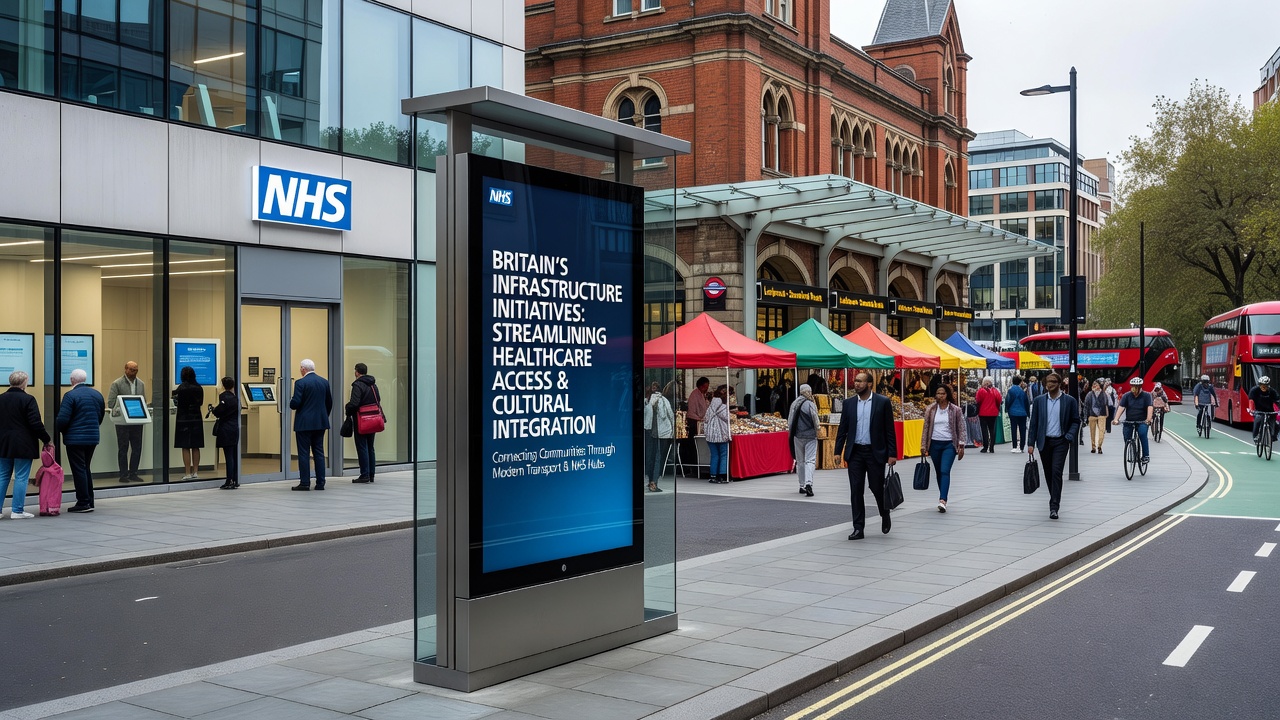
Funding streams combine transport budgets with cultural grants. Local councils receive allocations that cover both road resurfacing and site interpretation centers built near new stations. These centers provide public access points that offset construction impacts on nearby historic landscapes.
November 2026 Milestones and Ongoing Coordination
Project schedules list November 2026 as the target for several integrated sections where rail, digital, and preservation elements converge. Progress dashboards track simultaneous delivery of healthcare-adjacent stations and heritage trail extensions. Cross-agency working groups meet monthly to resolve conflicts between utility placements and protected view corridors.
International comparisons appear in policy documents. A report from Infrastructure Australia outlines similar multi-objective planning in Sydney's metro expansions, while European Commission guidelines on heritage impact assessments provide templates adopted in several UK regions. Observers note that these references help standardize evaluation methods across different project phases.
Data Patterns in Combined Initiatives
Central government statistics track outcomes through shared metrics that measure both journey times to hospitals and visitor numbers at cultural venues. Early returns from pilot corridors show increased footfall at preserved sites located near upgraded transport hubs. Researchers at university planning departments compile these figures to assess long-term effects on regional access equity.
Procurement rules now require bidders to submit joint heritage and health impact statements. This requirement appears in tender documents for remaining network segments scheduled after the 2026 deadlines. Compliance data indicates most contractors meet these criteria through partnerships with specialist consultancies.
Conclusion
Records confirm that Britain's infrastructure programs continue to link transport upgrades with healthcare access improvements and cultural preservation requirements. November 2026 stands as a key checkpoint for several overlapping deliverables. Ongoing coordination relies on shared data platforms and cross-sector funding mechanisms that keep the separate objectives aligned within single project frameworks.