
Hugo Schmitz · 9 September 2026
Britain's Digital Platform Rules Rollout and Platform Compliance Challenges
Background on Britain's Digital Platform Regulations
The Online Safety Act established a framework that places duties on platforms to assess and mitigate risks associated with harmful content, and this legislation has driven the rollout of compliance requirements across major technology companies operating in the United Kingdom since its passage. Platforms must now conduct regular risk assessments while implementing safety measures that address illegal content and protect users from specific categories of material, and these obligations apply to services ranging from social media networks to search engines and messaging apps.
Researchers at institutions such as the Oxford Internet Institute have tracked how these rules intersect with existing data protection standards, and figures from regulatory filings show that companies began submitting compliance plans in 2024 with further milestones scheduled through 2026. In September 2026 a new phase of enforcement expands the scope to smaller platforms and requires updated transparency reports that detail moderation outcomes and appeal processes, and this timeline aligns with similar developments in other jurisdictions where regulators seek consistent standards across borders.
Key Provisions Driving the Rollout
Core elements of the rules include obligations for platforms to remove illegal content swiftly, to verify user ages in certain contexts, and to provide clear mechanisms for reporting and appealing decisions, while the regulator holds powers to issue fines that can reach up to ten percent of global annual revenue for persistent non-compliance. Data from industry reports indicate that larger firms have invested significantly in automated detection tools and human review teams to meet these standards, and observers note that smaller operators often struggle with the technical and financial demands of the same requirements.
According to statements from the Competition and Markets Authority, the rules also incorporate provisions that address competition concerns by limiting self-preferencing practices on dominant platforms, and this dual focus on safety and market fairness has prompted companies to restructure internal governance processes. Studies from academic sources reveal that compliance spending among major platforms rose by more than thirty percent in the first two years following teh Act's implementation, and those investments cover everything from content scanning software to independent audits that verify adherence to safety codes of practice.
Platform Compliance Efforts and Early Outcomes
Major technology companies have published initial transparency reports that outline steps taken to meet the new duties, and these documents show expanded use of machine learning models alongside expanded teams of moderators who handle appeals and edge cases. One study released by a Canadian research consortium found that platforms operating in multiple regions often align their moderation policies across jurisdictions to streamline operations, yet differences in local laws still require tailored approaches for the British market.
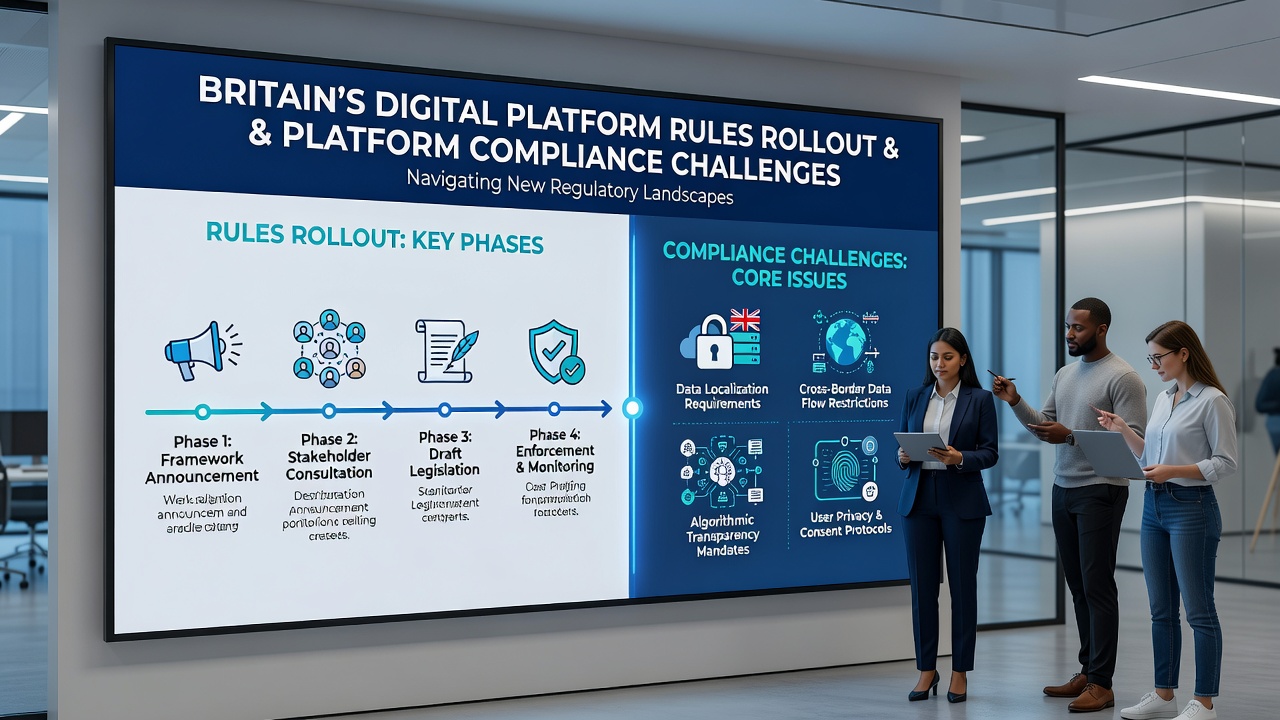
Evidence from regulatory updates indicates that several platforms achieved early milestones ahead of the September 2026 deadline by integrating age-verification systems and updating terms of service to reflect new safety commitments, and these actions have resulted in measurable reductions in reported illegal content on some services. At the same time, figures released by the Australian eSafety Commissioner highlight parallel challenges in that country where platforms face similar duties, and the comparisons underscore common difficulties in balancing rapid content decisions with user privacy protections.
Challenges in Achieving Full Compliance
Platforms encounter difficulties in scaling detection systems to cover the volume of user-generated content while maintaining accuracy rates that satisfy regulatory expectations, and this issue becomes more pronounced for services that host live streams or ephemeral messaging features. Research indicates that false positives can lead to over-removal of legitimate material, which in turn triggers appeal volumes that strain resources, and data from platform disclosures show appeal resolution times varying widely across different categories of content.
Another area of friction involves coordination between legal teams and engineering departments when new guidance emerges from the regulator, and this coordination challenge grows as the September 2026 phase introduces additional reporting metrics that require new data pipelines. Observers from trade associations point out that smaller platforms in particular face hurdles in accessing the specialized expertise needed to interpret evolving codes of practice, and these firms often rely on third-party vendors whose solutions may not fully align with British requirements.
International companies must also navigate interactions between British rules and regulations in other regions such as the European Union's Digital Services Act, and reports from the European Commission note that overlapping obligations can create administrative duplication even when substantive goals remain similar. Yet the reality is that platforms continue to refine their approaches through iterative testing and external audits, and those efforts produce incremental improvements in compliance metrics over successive reporting periods.
Conclusion
The rollout of Britain's digital platform rules continues to evolve with the September 2026 enforcement phase marking a significant expansion of obligations, and platforms respond through sustained investment in technology, personnel, and governance structures. Data from multiple regulatory and academic sources demonstrate both progress in content moderation capabilities and persistent challenges in scaling solutions across diverse service types, while comparisons with regulators in other countries provide context for ongoing adaptation. Those who monitor these developments will see further refinements as platforms submit updated reports and regulators issue additional guidance in the coming years.